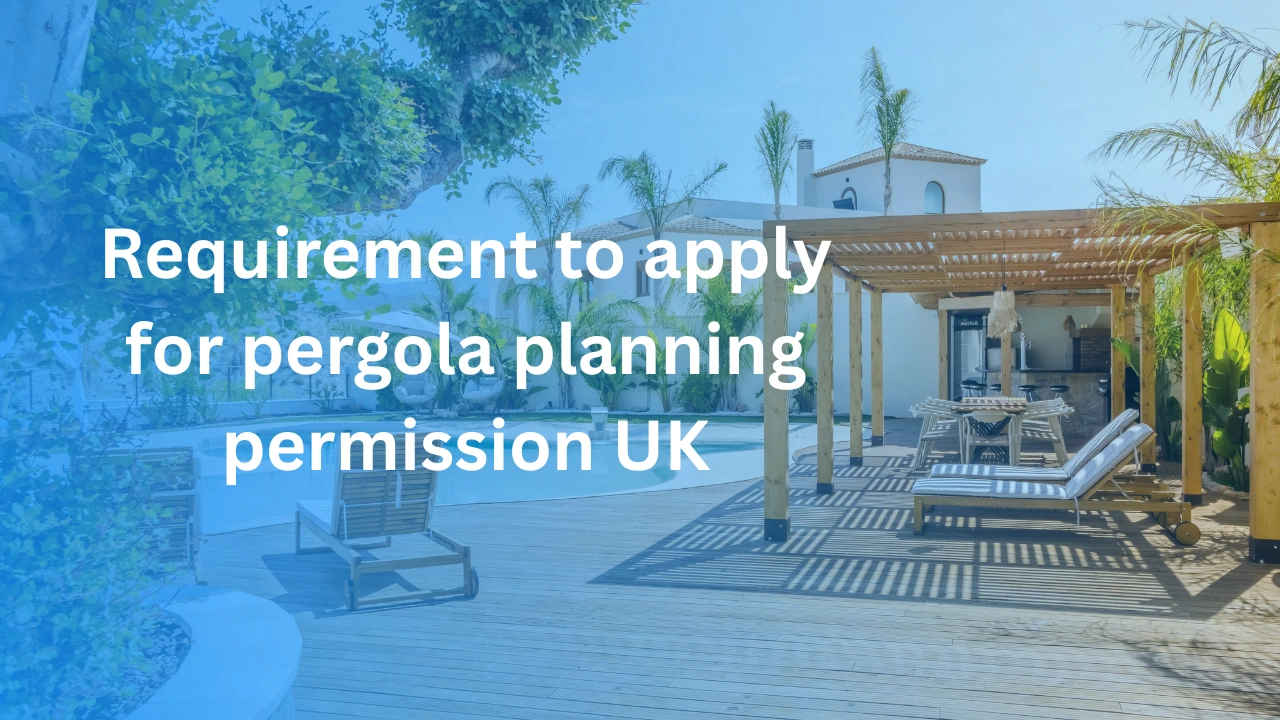
Is it a requirement to apply for pergola planning permission UK?
Thinking about adding a pergola to your garden? It’s a great way to create shade and make your outdoor space feel more inviting. But before you start, there’s one question most people ask-what are the rules?
Many homeowners worry about pergola planning permission UK and whether they might get into trouble later. The good news is that pergolas are usually quite straightforward when it comes to planning. Still, a few small details can change things.
The size, design, and where you place your pergola all matter. For example, a simple open structure is often fine, but adding a solid roof or placing it in the wrong spot could mean you need approval.
This guide will walk you through everything in plain English, so you can build with confidence and avoid any surprises.
What Is Planning Permission?
Planning permission is approval from your local council to build or change something on your property. It helps make sure buildings are safe, look right in the area, and don’t cause problems for neighbours.
For garden projects, it usually comes down to size, height, and where the structure sits. That’s why rules around planning permission for garden structures UK can vary depending on your setup.
It’s also important to know the difference between planning permission and building regulations pergola UK. Planning looks at how things affect the outside and the area around you. Building regulations focus on safety, like strong foundations, safe electrics, or proper drainage.
Most pergolas don’t need full approval, but it’s still good to understand both sides before you start.
Also read – Pergola Privacy Ideas: Walls, Screens, Plants & More
Permitted Development Rights – The Basics
In the UK, many homes have something called permitted development rights. These let you build certain things without asking for full planning permission. A permitted development pergola UK project is often allowed if it follows a few simple rules.
These pergola planning rules UK mainly focus on size and position. Here are the key limits to keep in mind:
- Height near boundaries: Your pergola should not be taller than 2.5 metres if it’s within 2 metres of a boundary.
- Maximum overall height: It can usually go up to 4 metres with a pitched roof, or 3 metres for a flat style.
- Garden coverage: The pergola must not take up more than 50% of your garden space, including other structures.
- Front of the house: You should not place it in front of your home, as front gardens have stricter rules.
- Intended use: It must be for normal garden use, not for living, sleeping, or turning into a room.
If your pergola fits within these limits, you’ll usually be fine without applying for permission. That said, rules can vary slightly across the UK, so it’s always wise to double-check with your local council.
Conservation Areas

Living in a conservation area means your home is in a place the council wants to protect. These areas often have historic charm or a special look that needs to be preserved. Because of this, even small changes can be more tightly controlled.
When it comes to pergola planning permission in conservation area, the usual relaxed rules may not fully apply. A pergola that would normally be fine elsewhere might need approval here.
The council may look closely at materials, size, and where you place the structure. They want to make sure it blends in and doesn’t stand out in the wrong way.
If you’re unsure, it’s always best to check first. A quick call or email to your local authority can save you a lot of hassle later.
Also read – How To Decorate A Pergola
Listed Buildings
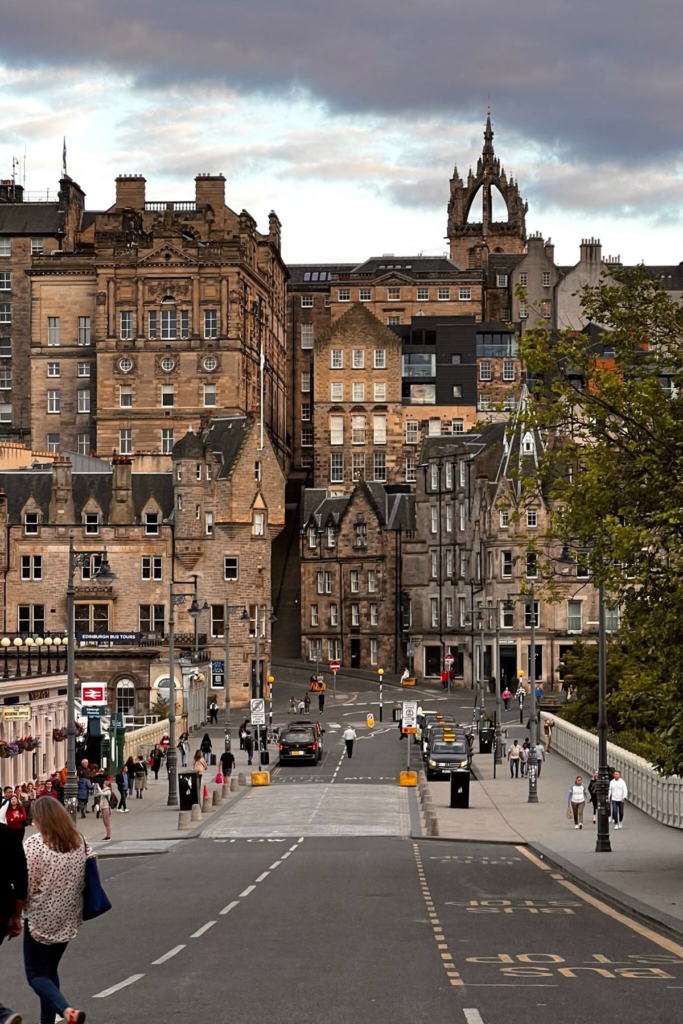
If your property is listed, the rules are much stricter. Listed buildings are protected because of their history or special features. Even small changes can affect their character.
In this case, you’ll likely need listed building pergola permission UK, even for a simple garden structure. It doesn’t matter if the pergola seems minor-it can still count as a change to the property.
The council will look at how the pergola might affect the building’s appearance and setting. They may also care about materials and how it’s fixed to the ground.
It’s always wise to get advice before starting. Making changes without consent can lead to serious issues, including being asked to remove the structure.
Article 4 Directions

Some areas have extra planning controls called Article 4 directions. These remove your normal permitted development rights.
This means even a small pergola could require full permission. You won’t be able to rely on standard permitted development pergola UK rules in these areas.
These directions are often used in places where councils want tighter control over changes. This could be for design reasons or to protect the character of a neighbourhood.
If you think your home may be affected, check with your council. It’s better to confirm early than run into problems later.
Also read – Garden Screening Ideas for Stylish Outdoor Privacy
National Parks and AONBs

If you live in a National Park or an Area of Outstanding Natural Beauty (AONB), planning rules are stricter. These areas are protected to keep their natural landscape intact.
Even small garden changes can be reviewed more carefully. Your pergola may need to meet higher standards in terms of design and placement.
Councils often focus on how visible the structure is and whether it blends into the surroundings. Simple, natural materials usually work better in these locations.
As a rule of thumb, always double-check before building. It’s a small step that can help you avoid delays or extra costs later.
Also read – Pergola on Decking: A Match Made in Heaven
Building Regulations – When Do They Apply?
In most cases, pergolas don’t need building regulations approval. But there are times when building regulations pergola UK rules do come into play, especially if your structure is more complex.
You may need approval if you’re adding electrics, like lights, heaters, or sockets. These must be installed safely and may need sign-off from a qualified electrician.
Plumbing is another trigger. If your pergola includes water features, sinks, or drainage, it may need to meet certain standards.
Foundations also matter. If you’re building something heavy or permanent with deep footings, building control may need to check it.
As a simple rule, the more your pergola acts like a solid structure, the more likely building regulations will apply. If you’re unsure, it’s always smart to ask before you build.
Example Case Study
In Manchester, a homeowner builds a simple wooden pergola at the back of their garden. It’s open-sided, under 2.5 metres high, and follows all the usual pergola size rules UK. Because it fits within permitted development pergola UK guidelines, they don’t need planning permission. The project is quick, simple, and stress-free.
In contrast, a homeowner in Bath lives in a conservation area. They plan a pergola with a fixed roof and side screens. Due to pergola planning permission in conservation area rules, they must apply for approval before building.
The council reviews the design carefully to make sure it suits the area. They suggest small changes to materials and placement before granting permission.
Both cases show the same idea: the design and location of your pergola make all the difference.
FAQs
1. Do pergolas need planning permission England?
In most cases, no. If your pergola follows permitted development pergola UK rules, you usually don’t need permission.
2. What are the pergola size rules UK?
Height is key. Stay under 2.5m near boundaries and within overall limits to avoid needing approval.
3. What about pergola planning permission in conservation area?
Rules are stricter. You may need permission even for small structures to protect the area’s look.
4. Do I need listed building pergola permission UK?
Yes, in most cases. Any change that affects a listed property usually needs consent.
5. Does a pergola fall under planning permission for garden structures UK?
Yes. Pergolas are classed as garden structures, so general planning rules apply.
Conclusion
In most cases, pergola planning permission UK rules are quite simple. If your pergola is small, open, and placed in the right spot, you can usually go ahead without applying. It’s when designs become larger, enclosed, or more permanent that things start to change.
The key is to understand your space and follow the basic guidelines. Think about height, placement, and whether your pergola feels more like a structure than a garden feature. These small checks can make a big difference.
If your home is in a protected area or has special status, take extra care. A quick check with your local council can save you time, money, and stress later on.
Before you build, it’s always smart to be sure. You can download a simple pergola planning checklist or get expert advice to make the process smooth and worry-free.

Raj Kumar Prasad is a lifestyle content creator and digital publisher passionate about sharing practical wellness tips, smart living ideas, product insights, and everyday lifestyle guidance. Through Smart Lifestyle Review, he focuses on helping readers make smarter daily choices with simple and useful content.